Nut Allergy? Here's How Places Keeps You Safe
Living with a nut allergy means that dining out is never entirely casual. Every restaurant visit involves a mental risk assessment: Does this cuisine typically use nuts? Will the kitchen understand the severity of my allergy? Can I trust the waiter's assurance that a dish is safe? In a city like Dubai, where restaurant kitchens draw from culinary traditions around the world, many of which use nuts extensively, these questions carry real weight.
Places UAE was built with this reality in mind. Allergen safety is not an afterthought or a nice-to-have feature. It is a core part of how the app works. Here is how the platform helps nut allergy sufferers navigate Dubai's dining scene with greater confidence.
The Challenge of Nut Allergies in Dubai
Dubai's culinary diversity is one of its greatest strengths, but it also creates specific challenges for people with nut allergies. Many of the city's most popular cuisines, including Indian, Thai, Middle Eastern, and Chinese, use tree nuts or peanuts as fundamental ingredients. Cashews thicken curries. Peanuts form the base of satay sauces. Almonds appear in Arabic desserts. Pine nuts top salads and pastas.
Cross-contamination is an additional concern. Even if a specific dish does not contain nuts, it may be prepared in a kitchen where nuts are used extensively, on shared surfaces, with shared utensils, or fried in shared oil. For someone with a severe allergy, this ambient exposure can be just as dangerous as eating a nut directly.
How Places UAE Addresses Nut Allergen Safety
Dish-Level Allergen Flagging
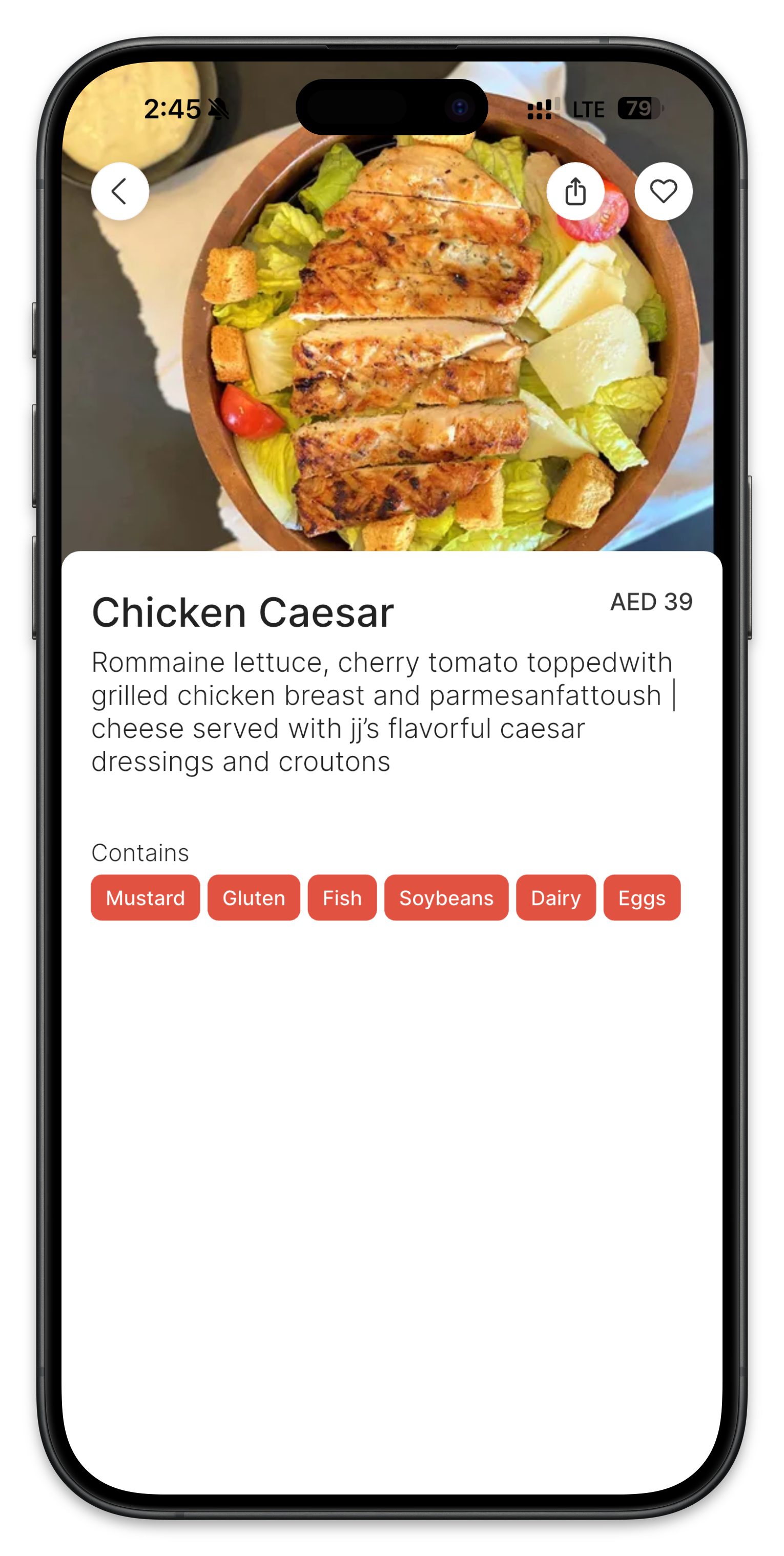
The most important feature for allergy sufferers is the ability to see allergen information at the individual dish level. When you browse a restaurant's menu on Places UAE, dishes that contain tree nuts or peanuts are clearly flagged. This is fundamentally different from a restaurant-level label that says "may contain nuts," which tells you almost nothing useful. Dish-level data lets you identify exactly which items are safe and which to avoid.
Browse the nut-free dining section to see restaurants with verified nut-free options on their menus.
Persistent Allergen Profiles
You should not have to declare your allergy every time you open the app. Places UAE lets you set a permanent allergen profile in your settings. Once you flag nut allergies, the app automatically highlights potential risks whenever you browse a menu and surfaces safe options first. This is not just convenient. It is a safety net that works even when you are in a hurry or distracted.
Allergen Search
The app's conversational search understands allergen-aware queries. You can type "nut-free Italian near Downtown Dubai" or "Thai restaurant safe for tree nut allergy in Dubai Marina" and receive results that have been filtered not just for cuisine and location, but for genuine allergen safety at the menu level.
Cuisines to Approach With Caution
While no cuisine is universally safe or unsafe, some require more vigilance than others for nut allergy sufferers in Dubai:
- Indian: Nuts are used extensively in North Indian cuisine, particularly in curries, biryanis, and desserts. South Indian cuisine tends to use less nuts but coconut (which is technically a fruit, not a tree nut) is prevalent. Always confirm whether a dish contains cashews or almonds.
- Thai: Peanuts are a staple in Thai cooking. Pad thai, satay, and many curry pastes contain peanuts. Some dishes can be prepared without them, but cross-contamination risk in Thai kitchens is typically high.
- Middle Eastern: Baklava, kunafa, and many Arabic sweets contain pistachios, walnuts, or cashews. Main courses are generally safer, but always check dessert ingredients.
- Chinese: Cashew chicken, kung pao dishes, and many stir-fries use peanuts or tree nuts. Wok-based cooking also means shared cooking surfaces, increasing cross-contamination risk.
Safer Choices for Nut Allergy Diners
Some dining categories in Dubai tend to be lower risk for nut allergy sufferers:
- Steakhouses and grills: Meat-focused restaurants with simple preparations are generally the safest option. Grilled steaks, burgers, and seafood rarely involve nuts.
- Japanese (sashimi and sushi): Raw fish preparations typically do not involve nuts, though be cautious with specialty rolls that may include crushed peanuts or sesame (if you are also sensitive to sesame).
- Burger and casual dining chains: These tend to have well-documented allergen information and simpler menus with fewer nut-containing ingredients.
What to Do at the Restaurant
Even with digital allergen data, it is important to communicate directly with restaurant staff. Here are practical steps for safer dining:
- Inform your server immediately. Say "I have a severe nut allergy" rather than "I prefer to avoid nuts." The distinction matters and affects how seriously your request is treated in the kitchen.
- Ask about shared cooking equipment. Fryers, woks, and grills may have residual nut oils from previous dishes. Ask whether your food can be prepared on a clean surface.
- Verify with the chef if possible. In Dubai's better restaurants, asking to speak with the chef about allergens is not considered unusual and is often appreciated.
- Carry your medication. Always have your epinephrine auto-injector with you when dining out. Even the most careful precautions cannot eliminate all risk.
A Better Standard for Allergen Safety
The combination of restaurant-level awareness and dish-level digital data is creating a safer dining environment for nut allergy sufferers in Dubai. Platforms like Places UAE are raising the standard by making allergen information accessible, searchable, and persistent, rather than something you have to hunt for or take on trust. It does not replace the need for personal vigilance, but it gives you a much stronger foundation to make informed decisions about where and what to eat.
No one should have to choose between enjoying Dubai's incredible restaurant scene and staying safe. With the right tools and the right habits, you do not have to.
Get Cashback at 190+ Dubai Restaurants
Pay your bill through the Places app and up to 50% comes back as cashback credit. No coupons, no vouchers. Free to download.