Complete Guide to Gluten-Free Dining in Dubai
Dining out with coeliac disease or a gluten sensitivity in Dubai used to mean endless phone calls to restaurants, awkward conversations with waitstaff, and the lingering worry that something on your plate might make you ill. The good news is that Dubai's restaurant scene has evolved dramatically, and finding safe, delicious gluten-free meals is easier than ever, particularly if you know where to look and which tools to use.
This guide covers everything you need to know about eating gluten-free in Dubai, from naturally safe cuisines to restaurants with dedicated preparation areas, and how technology is making the process far more reliable.
Understanding Gluten-Free Dining in the UAE
The UAE does not have the same formal coeliac certification system found in parts of Europe, but awareness has grown significantly over the past few years. Many restaurants now train their kitchen teams on cross-contamination risks, and a growing number offer dedicated gluten-free menus rather than simply removing bread from a standard dish and calling it done.
Dubai Municipality requires allergen information to be available upon request at licensed food establishments. However, enforcement varies, and the quality of allergen data you receive can range from a detailed ingredient breakdown to a vague shrug. This is where having a reliable digital resource becomes invaluable.
Cuisines That Are Naturally Gluten-Friendly
Some of the world's great culinary traditions are inherently kinder to gluten-free diners. When choosing where to eat in Dubai, these cuisines offer the widest range of naturally safe options:
- Japanese: Sashimi, rice-based sushi, grilled yakitori, and most teppanyaki dishes are naturally gluten-free. Be cautious with soy sauce (which typically contains wheat) and tempura batter. Many Japanese restaurants in Dubai now stock tamari as an alternative.
- Indian: Rice dishes, lentil-based dals, tandoori meats, and many curries are wheat-free. Avoid naan and roti, but enjoy dosas, idli, and uttapam, which are made from rice and lentil batters.
- Mexican: Corn tortillas, guacamole, grilled meats, rice, and beans form the backbone of Mexican cuisine, and all are naturally gluten-free. Dubai's Mexican restaurants increasingly distinguish between corn and flour tortillas on their menus.
- Thai: Rice noodle dishes like pad thai, curries with coconut milk, and stir-fries with rice are generally safe. Watch for soy sauce in marinades and ask about oyster sauce, which sometimes contains wheat.
How Places UAE Makes Gluten-Free Dining Safer
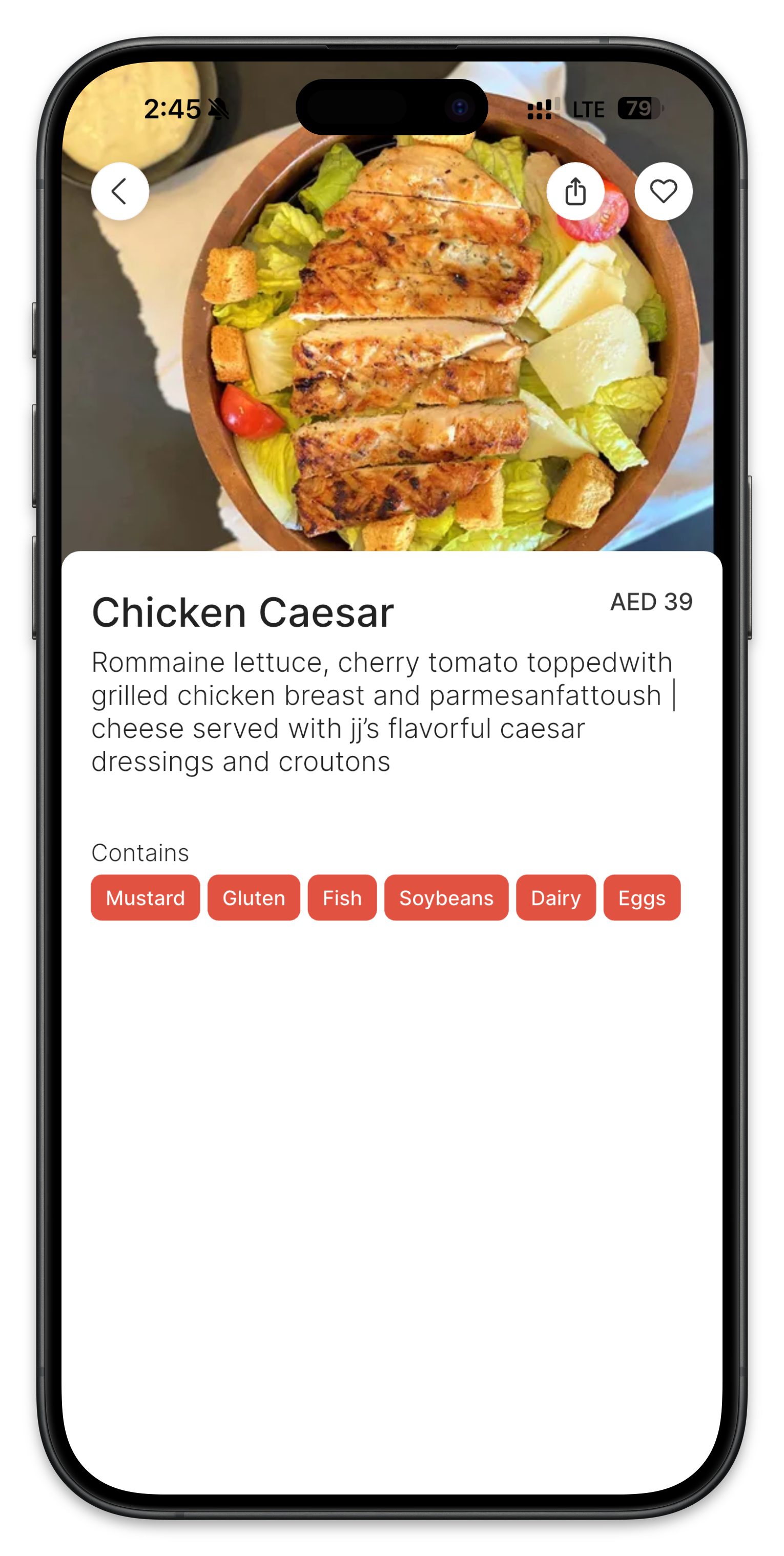
The gluten-free dining section on Places UAE takes the guesswork out of finding safe restaurants. Rather than relying on a restaurant's self-reported "gluten-free friendly" tag, the app provides menu-level allergen data so you can check individual dishes before you arrive.
Menu-Level Allergen Labels
Every dish listed on Places UAE can carry allergen flags, including a clear gluten-free indicator. This means you are not just finding restaurants that claim to offer gluten-free options. You are seeing exactly which dishes on their menu are safe for you. That level of detail is the difference between arriving hopeful and arriving confident.
Search by Dietary Need
The app's search understands natural language queries. You can type "gluten-free pasta in Dubai Marina" or "coeliac-safe brunch near Downtown" and receive results filtered to restaurants that genuinely have suitable options on their menus, not just restaurants that happen to serve salads.
Cross-Referencing With Other Diners
Community-driven feedback adds another layer of safety. When other gluten-free diners rate a restaurant or flag a concern, that information becomes available to everyone. This creates a living, evolving database of dining safety that no static guidebook can match.
Neighbourhood Picks for Gluten-Free Dining
Dubai's best gluten-free options are spread across the city, but certain areas offer a higher concentration of accommodating restaurants:
- Downtown Dubai — The international hotel restaurants in this area generally have the most robust allergen protocols, with trained staff and dedicated preparation areas.
- Dubai Marina — The waterfront dining scene includes several restaurants that have invested in separate gluten-free menus, particularly the Asian and Mediterranean venues.
- City Walk and Al Wasl — The health-conscious cafe culture here means many venues build their menus around naturally gluten-free ingredients like quinoa, rice, and fresh vegetables.
Practical Tips for Eating Out
Even with better tools and more awareness, gluten-free dining requires some practical habits:
- Check menus before you go. Use Places UAE to review dish-level allergen information rather than relying on phone calls or website claims that may be outdated.
- Communicate clearly with your server. The phrase "I have coeliac disease and cannot eat any gluten, including cross-contamination" is more effective than simply saying "gluten-free please," which some staff may interpret as a preference rather than a medical need.
- Stick to simple preparations. Grilled proteins with steamed vegetables and rice are almost universally safe. Complex sauces and marinades are where hidden gluten tends to lurk.
- Carry a translation card. Dubai's restaurant kitchens employ staff from around the world. A card in English, Arabic, Hindi, and Tagalog explaining your dietary needs can be extremely helpful.
The Future of Gluten-Free Dining in Dubai
Dubai's food scene is moving in the right direction. More restaurants are training staff on allergen management, more menus are offering genuine gluten-free options rather than afterthoughts, and digital tools are making it possible to verify safety before you even leave home. For coeliac diners, the combination of growing restaurant awareness and detailed menu-level data on platforms like Places UAE means that eating out in Dubai no longer has to be stressful. It can simply be enjoyable.
Get Cashback at 190+ Dubai Restaurants
Pay your bill through the Places app and up to 50% comes back as cashback credit. No coupons, no vouchers. Free to download.